Don't Buy Until You Read This: Motorola Moto G Power 2026 vs Samsung Galaxy Z Trifold
Introduction
Choosing a new phone in 2026 means balancing value with features that align tightly to how a person uses a device day to day. At opposite ends of the market spectrum, the Motorola Moto G Power 2026 and the Samsung Galaxy Z Trifold represent two different approaches to what a smartphone can be. One emphasizes long battery life and sensible performance at a friendly price; the other pushes the boundaries of mobile hardware with a multi-panel folding design meant to replace both phone and small tablet. This article evaluates both devices in practical terms—real-world use, strengths and weaknesses, what buyers typically care about, and how to decide which one best fits a given lifestyle.
Overview: What each phone aims to be
Motorola Moto G Power 2026 is positioned as a sensible, budget-conscious device for users who prioritize battery life, reliability, and a clean software experience without paying flagship prices. Historically, the G Power line is known for multi-day battery endurance, a straightforward user interface, and pragmatic hardware choices that make it ideal for commuters, casual photographers, and anyone who dislikes daily charging.
Samsung Galaxy Z Trifold sits in the premium experimental category: a high-end device that folds into three panels, delivering a much larger contiguous display area when unfolded. It targets productivity-minded buyers, early adopters of foldables, and people who want to consolidate phone and compact tablet use. Expect top-tier performance, advanced multitasking, and a price that reflects the novelty and engineering required for a stable triple-fold hinge.
Design and build: portability vs expansiveness
Design differences are the most immediately visible between these two phones.
Motorola Moto G Power 2026
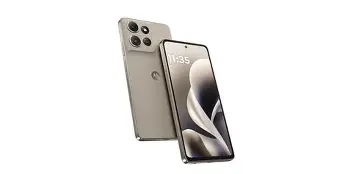
Motorola continues its pragmatic approach with a straightforward slab design that prioritizes durability and ergonomics. The Moto G Power typically uses polycarbonate or a mix of metal and plastic to keep cost down while resisting everyday knocks. The screen is flat with a modest bezel; the result is a device that's easy to hold, slips into pockets without drama, and feels familiar to most users.
Samsung Galaxy Z Trifold
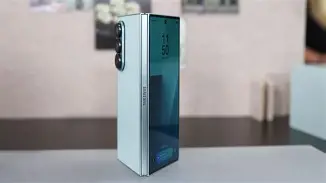
The Galaxy Z Trifold is attention-grabbing by design. When folded tightly, it attempts to remain pocketable; when unfolded, it provides a tablet-like canvas useful for split-screen apps, reading, and multitasking. The engineering challenge is the hinge and the transitions between folded states. Samsung's foldable design work in recent years has improved hinge reliability, but a trifold adds complexity—buyers should expect a premium weight and thickness compared with non-folding phones.
Display: clarity and use modes
Display choices define how each phone will feel in daily use.
Motorola Moto G Power 2026
The Moto G Power focuses on practical brightness and battery-friendly display tech. It generally features a large, flat LCD or mid-range OLED with a sensible resolution and a refresh rate tuned for power efficiency. For most users—web browsing, social feeds, video streaming—the display offers perfectly adequate clarity and color reproduction, though it won't match flagship-level vibrancy or peak brightness.
Samsung Galaxy Z Trifold
The Trifold's selling point is its flexible AMOLED panels that combine to create a large, uninterrupted workspace. Expect high contrast, vivid colors, and high refresh rates, especially on the main unfolded canvas. This display enables unique real-world uses: editing documents while referencing another window, watching widescreen video while carrying on a chat, or using an expanded on-screen keyboard for faster typing. However, users should test for seam visibility and how content adapts across folds—some app compatibility quirks are still possible with complex folding configurations.
Performance and software
Performance is tied directly to the intended user. Motorola usually equips the Moto G Power with efficient, mid-range system-on-chip (SoC) silicon that delivers smooth everyday performance—apps, social media, media playback, and light gaming—while keeping thermals and battery consumption low. Motorola tends to offer a near-stock Android experience with a few added gestures and customizations. Buyers who prize longevity and predictable behavior appreciate this approach.
Looking for the best Mobile Phones deals on Amazon?
View Offers →Samsung fits flagship-class processors and generous RAM into the Galaxy Z Trifold, catering to heavy multitaskers and demanding apps. Its One UI has matured to include foldable-specific features: multi-window arrangements, app continuity across folded states, and a taskbar-style launcher on the large display. These software additions turn the Trifold into a productivity tool, but they add complexity—some users may need time to learn optimal workflows.
Battery life and charging
Battery considerations differ by use case.
The Moto G Power 2026 centers on extended battery life as its core appeal. In real-world terms this means many users can expect a full two-day typical usage cycle or at least a very comfortable single-day endurance with heavy use. That’s especially valuable for people who travel, work long shifts, or dislike carrying chargers.
The Galaxy Z Trifold offers a much larger, more power-hungry display area and higher internal performance, so its battery life depends heavily on whether the device is used folded or unfolded. For intensive multitasking on the unfolded trifold canvas, battery drain will be faster than with a conventional phone. Samsung typically supports fast wired and wireless charging on premium devices, along with power management features tuned to foldable displays.
Camera systems: everyday photos vs flagship imaging
Camera systems reflect the market positions of each device.
The Moto G Power generally includes a versatile set of cameras geared toward everyday snapshots: a main sensor adequate for daylight photos, an ultrawide or macro secondary lens, and software-driven enhancements for low-light scenes. For social media, family photos, and quick snaps, it delivers acceptable results without the advanced telephoto or computational photography tricks of flagship devices.
The Galaxy Z Trifold is expected to carry Samsung's high-end imaging stack—larger sensors, optical stabilization, advanced zoom capabilities, and more sophisticated computational photography. This difference shows in detail, dynamic range, and low-light performance. Buyers who prioritize photography for travel, events, or content creation will notice a substantial gap between the two.
Durability and repairability
Durability is a core buyer concern and a practical matter for long-term ownership.
- Moto G Power: Simpler internals and a traditional screen generally mean fewer points of failure. These phones are often easier and cheaper to repair and more resilient to drops, dust, and moisture—particularly if a manufacturer offers water-repellent coatings or a reinforced chassis.
- Galaxy Z Trifold: The mechanical hinge and flexible display bring inherent risk and complexity. While Samsung has improved hinge longevity and protective design, foldables require extra care—cases and screen protectors designed for the folding mechanism, mindful handling around edges, and acceptance of potentially higher repair costs.
Pros & Cons
Motorola Moto G Power 2026
- Pros: Long battery life that suits travel and long workdays; straightforward, clean software; typically good value for the money; pocket-friendly and easy to use one-handed; lower repair costs and practical durability.
- Cons: Mid-range performance may struggle with high-end gaming or extended heavy multitasking; camera system is adequate but not class-leading; display and build materials are less premium compared with flagship devices.
Samsung Galaxy Z Trifold
- Pros: Massive, flexible display for productivity and media; flagship-level performance and cameras; rich multitasking features and software optimizations for a large canvas; premium materials and finish.
- Cons: High price relative to conventional phones; heavier and thicker when folded; hinge and fold mechanics require careful handling; potential app compatibility issues and higher repair costs.
Side‑by‑side comparison
| Category | Motorola Moto G Power 2026 | Samsung Galaxy Z Trifold |
|---|---|---|
| Target buyer | Value-focused users, long battery seekers, commuters | Power users, multitaskers, early-adopter enthusiasts |
| Design | Conventional slab, lightweight, pocket-friendly | Triple-fold hinge, premium but thicker/heavier |
| Display | Practical mid-range panel tuned for efficiency | Large flexible AMOLED, high refresh, tablet-like canvas |
| Performance | Mid-range SoC for everyday tasks | Flagship-class SoC for heavy multitasking |
| Battery | Exceptional endurance for typical users | Good but depends on unfolded use and heavy workloads |
| Cameras | Adequate for social and casual photography | Premium imaging with advanced zoom and low-light |
| Durability & repair | Simpler to repair; more forgiving | More complex repairs; hinge/fold risks |
| Price segment | Budget to mid-range | Luxury/premium |
Real‑world use cases: who benefits from which phone
Understanding how each phone fits into actual day-to-day scenarios helps make an informed purchase decision.
Looking for the best Mobile Phones deals on Amazon?
Browse Now →Everyday user and battery-conscious buyer
Someone who spends long days away from outlets—delivery drivers, field technicians, parents juggling errands—wins with the Moto G Power. Its battery endurance and straightforward UI reduce the anxiety of running out of power. The practical display and competent cameras are sufficient for documenting receipts, quick photos, navigation, and staying in touch.
Productivity and creative multitasker
Professionals who handle email, spreadsheets, and reference material on the go will appreciate the Galaxy Z Trifold. The expanded canvas allows side-by-side document editing and a more comfortable reading experience for long-form content. Creators who edit photos or short videos on-device will value the performance headroom and premium camera array.
Media consumption and gaming
For binge-watching and console-quality mobile games, the Trifold's larger high-quality display and flagship internals provide a superior experience—especially when streaming video or using split-screen companion apps. The Moto G Power, however, is a strong choice if media consumption is casual and battery life is a higher priority than peak brightness or refresh rate.
Buying guide: how to decide and what to test
Before committing to either phone, buyers should follow a short checklist and perform practical tests either in-store or through returnable purchase options.
Know your priorities
- Battery vs features: If uninterrupted battery life is the top priority, the Moto G Power is the rational pick. If a large workspace and top-tier cameras matter more, the Trifold is the better fit.
- Budget: Set a firm budget. Foldables currently command a premium, and the Trifold belongs in that category; the Moto G Power targets value.
- Repair and longevity: Consider the cost and accessibility of repairs. Simpler phones typically have lower long-term ownership costs.
In-store tests
- Hinge feel: For the Trifold, open and close the device several times. Look for smoothness, resistance, and solid alignment. Check how the device feels when partially folded.
- Seam and crease visibility: View varied content across the folds. Some crease texture is normal; excessive visibility can be distracting for text-heavy tasks or media.
- One-handed usability: Use the Moto G Power one-handed for texting and navigating—comfort matters if one-handed use is frequent.
- Camera samples: Capture quick photos in various lighting conditions to assess dynamic range and autofocus speed. Compare processed JPEGs and low-light outputs.
- Software navigation: Try multi-window arrangements on the Trifold. Does switching between folded states feel seamless? Are common apps behaving properly?
Questions to ask before buying
- What is the manufacturer’s update policy for software and security patches?
- Is there an extended warranty or protective plan that covers hinge or screen damage?
- What official accessories (cases, screen protectors) are available, and do they impact folding behavior?
- Can the device accommodate intended storage needs, or is cloud storage necessary?
Platform and long-term support
Platform longevity matters. Motorola traditionally offers a few years of Android updates on mid-range phones, and security updates for longer depending on the model. Samsung has been among the industry leaders in extending Android version and security updates to its flagship models and has begun applying similar policies to select foldables. Buyers who want to keep their phone for several years should verify the promised update schedule and consider that more updates typically extend resale value and security.
Final thoughts and conclusion
In the practical contest between the Motorola Moto G Power 2026 and the Samsung Galaxy Z Trifold, there is no single “best” device—only the best device for a specific person. The Moto G Power represents a clear, defensible choice for buyers who value battery endurance, simplicity, and low ownership costs. It will satisfy most users who use a phone for messaging, navigation, streaming, and casual photography without the need for cutting-edge hardware.
The Galaxy Z Trifold, by contrast, is an ambitious device for buyers who want a premium, flexible workspace and are comfortable paying for novelty and engineering. It is most compelling for people who genuinely need a larger screen for productivity on the go, creators who benefit from a bigger editing canvas, or early adopters who prioritize the latest mobile tech. The trade-offs are higher cost, increased weight, and the ongoing responsibilities of caring for a complex mechanical device.
Ultimately, the decision comes down to daily priorities: choose the Moto G Power for dependable battery life and straightforward, no-nonsense performance; choose the Galaxy Z Trifold for a multifunctional, high-end device that aims to replace two gadgets with one—but at a premium and with added complexity. Prospective buyers should test both devices in the ways outlined above and weigh the long-term support, repair considerations, and how each phone fits into their everyday routines before making a commitment.